
Acupunture
A traditional Chinese medicine technique involving the insertion of thin needles into specific points on the body to stimulate energy flow and promote healing.
History of Acupuncture
Acupuncture is one of the oldest healing practices in the world, with a rich history that dates back over 2,500 years. Originating in ancient China, acupuncture is a key component of Traditional Chinese Medicine, based on the concept that health is achieved by maintaining the body’s balance of qi , the vital life force that flows through pathways known as meridians.
Over centuries, acupuncture evolved and spread throughout Asia and beyond, influencing traditional healing systems in Japan, Korea, and Vietnam.

The Acupuncture Procedure
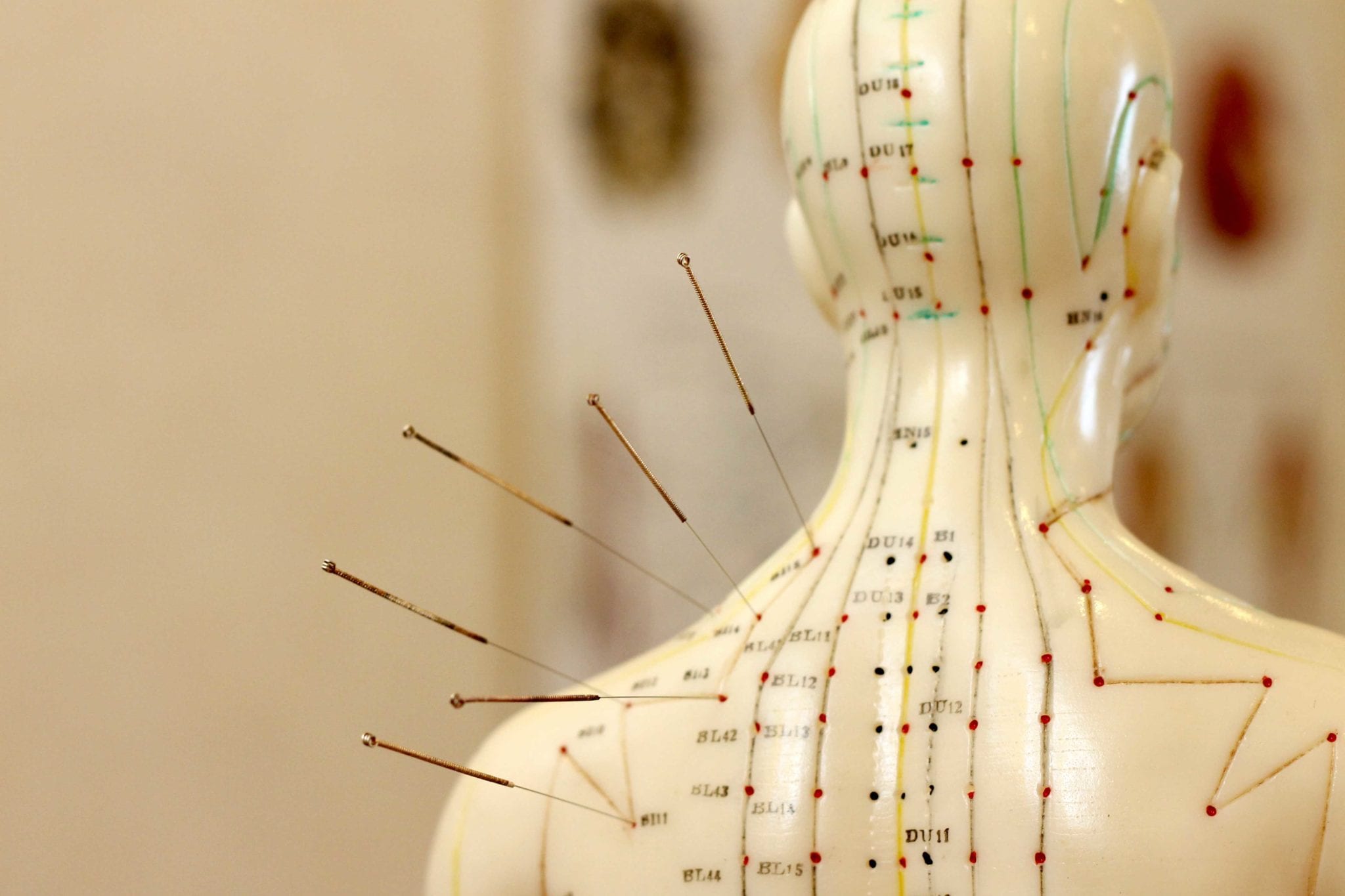
Diagnosis and Intake
- The acupuncturist evaluates the patient using TCM diagnostic tools: pulse diagnosis, tongue inspection, and medical history.
- They identify patterns of disharmony and choose acupoints accordingly.
- Points are chosen to address both symptoms and root causes.
- Single-use, hair-thin needles are gently inserted.Sensations may include tingling, heaviness, or a dull ache—known as “Deqi”.
- Sensations may include tingling, heaviness, or a dull ache—known as “Deqi”.
- Needles are retained for 15–30 minutes.
- Addons such as Moxibustion and electroacupuncture may be applied as well for further stimualtion
- Allergies
- Frequent colds
- Back Pain
- Migraines
- Arthritis
- Anxiety
- Depression
- Insomnia
- PMS/PCOS
- Infertility
- IBS
- Nausea